Biodiversity: all life depends on it
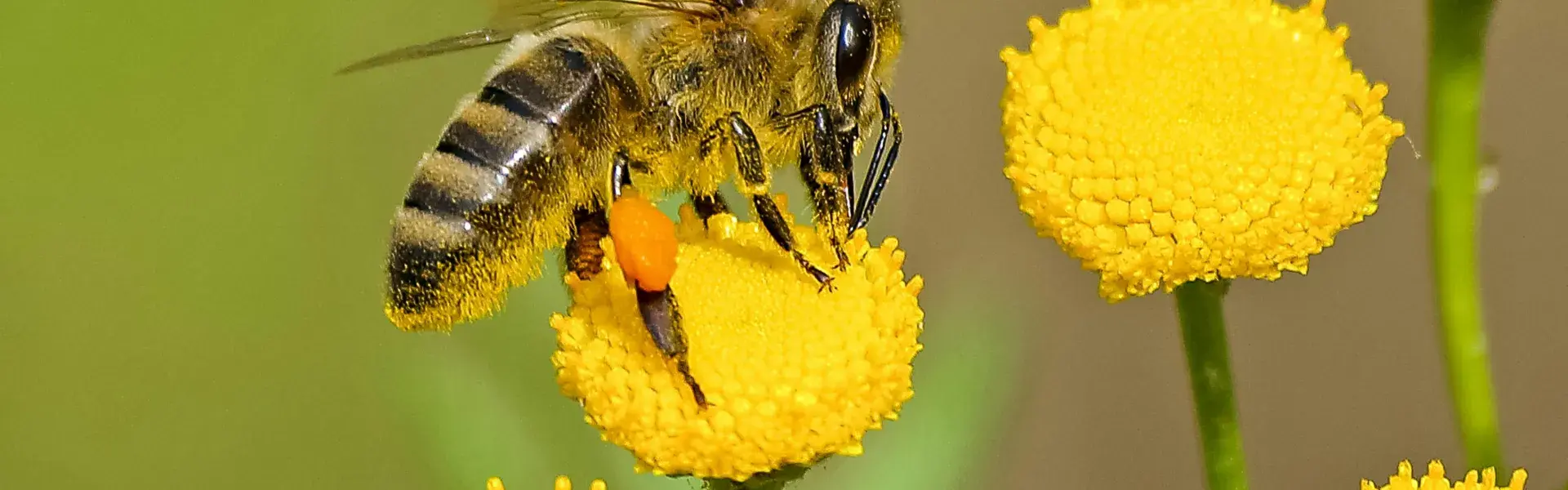
Biodiversity is the variety of all life on Earth, every species of plant, animal, insect, and microorganism, and the ecosystems they form. It’s the foundation of the natural world and the services it provides to humans. Healthy biodiversity keeps our air and water clean, enriches soil for growing food, pollinates crops, controls pests, and helps ecosystems recover from floods, fires, and other changes. In short, biodiversity serves as life’s safety net, sustaining both nature and humanity.
Across Europe and the world, biodiversity is disappearing at an unprecedented rate. Scientists warn that we are in the midst of a biodiversity crisis. To name just a few numbers, Europe has lost over 600 million breeding birds since 1980 and around 40% of its population of grassland butterflies since 1990. In some regions, flying insect biomass has dropped by more than 75% in just three decades. Amphibians and many other species are also in steep decline. When looking at natural habitats, more than 80% are considered to be in poor or bad condition.
With the collapse of biodiversity, it is the natural systems that feed us, protect us from floods and droughts, and regulate our climate that are weakening and becoming less stable and resilient.
Pesticides: A driver we can control
Scientists have identified several direct drivers of biodiversity decline: Habitat loss and degradation, overexploitation of species, climate change, and pollution. Among these drivers, pesticides stand out as a special case. Pesticides are designed to kill, but their effects rarely stop at pests they intend to kill; they harm pollinators, essential insects, soil organisms, aquatic life, and the food chains that sustain ecosystems.
Unlike climate change or land-use change, reducing pesticide use is fully within the control of decision-makers. Governments can regulate, restrict, and ban harmful substances, while farmers can adopt alternatives such as integrated pest management, with the right incentives and support. Reducing pesticide use is one of the most direct and achievable actions to protect biodiversity from further damage in the short term. It is a clear policy lever with immediate benefits for nature and people.
Why does it matter
Biodiversity loss directly affects our lives. Fewer pollinators mean reduced crop yields and food insecurity. Degraded soils and forests weaken our ability to grow food, filter water, and store carbon. Less diverse ecosystems are more vulnerable to disease, climate extremes, and natural disasters, which in turn threaten economies, communities, and public health.
Protecting biodiversity is therefore a societal priority. Every species lost is a thread removed from the web of life that sustains us all. And among the many drivers, pesticide reduction is a tangible first step we can take to begin reversing the decline.
Learn more about:
Butterflies
Insects and other arthropods
Birds