Press releases
April 14, 2016
The 2009-pesticide Regulation rules that endocrine disrupting pesticides should not be allowed on the market. Health Commissioner Andriukaitis now for the first time proposes to ban two of these pesti...
March 7, 2016
Today, several environmental, health and other NGOs will deliver to the EU Health Commissioner and Member State representatives over 180,000 signatures from European citizens to ban glyphosate. The NG...
March 2, 2016
Brussels, 2nd of March 2016. Six environmental NGOs (Global 2000, PAN Europe, PAN UK, Generations Futures, Nature et Progrès Belgique and Wemove.EU) from five European countries are filing today a for...
February 22, 2016
The practice of EU Commission health service SANTE to approve pesticides while important safety data are missing, the so-called "confirmatory data procedure" (CDP), is a case of maladministration acco...
December 11, 2015
A large reservoir of pesticides with unacceptable health effects is present at EU Commission health service DG SANTE but Mr. Andriukatis' DG makes no move to ban them. Not one of the six most harmful ...
December 9, 2015
16 Organisations deliver a message: 135,733 Europeans call to ban glyphosateWednesday 9 December, at 12:00 the call was delivered at DG SANTE’s premises located in Breydel Street, No 4, ...
November 26, 2015
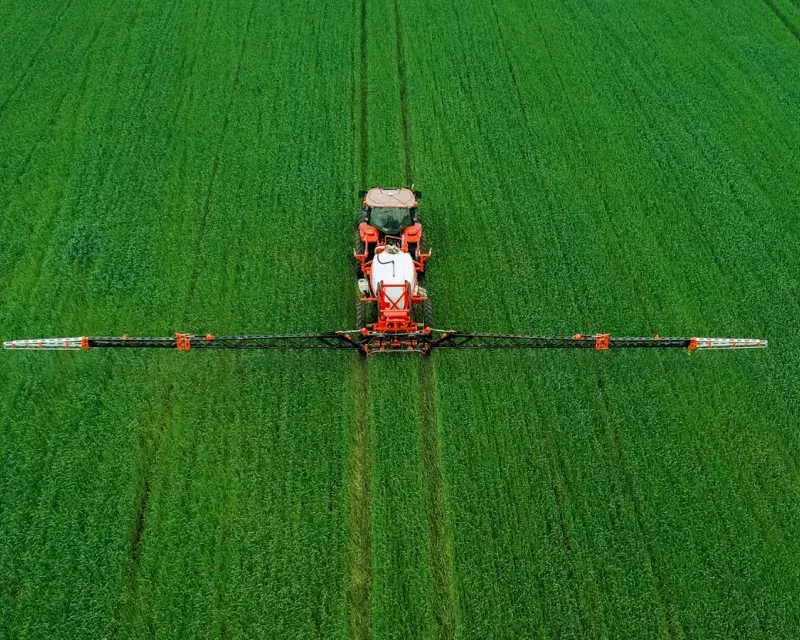
The European Commission has taken a full one year delay in submitting a report to the Parliament and the Council on increased use of alternatives for pest and disease control. Let us hope th...
November 13, 2015
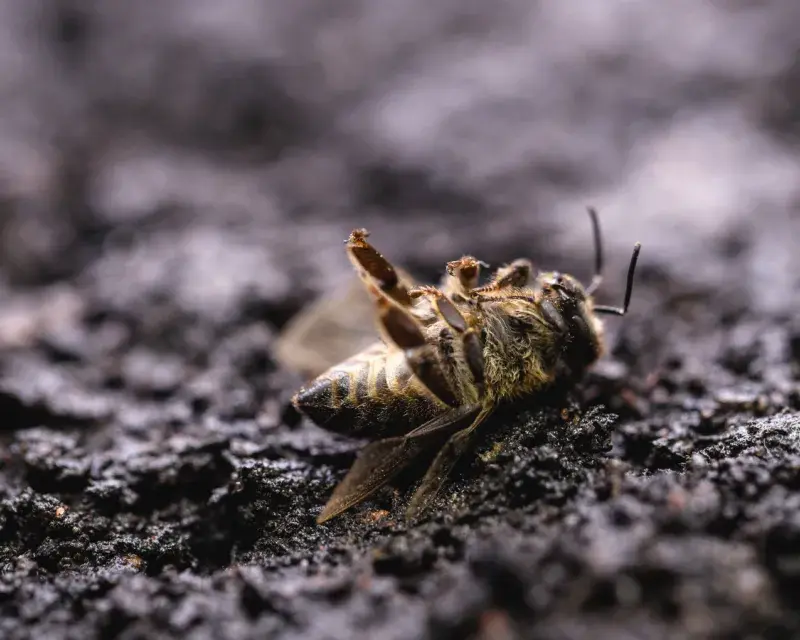
As we learned today, on 9 October 2015, the European Commission and Member States have authorised Flupyradifurone, a new neonicotinoid insecticide. Again, this substance did not go under any proper ev...
November 12, 2015
PAN Europe is extremely disappointed with today’s European Food Safety Authority (EFSA) opinion concluding that glyphosate is not classified as a human carcinogen. Instead of doing an independent asse...
October 26, 2015
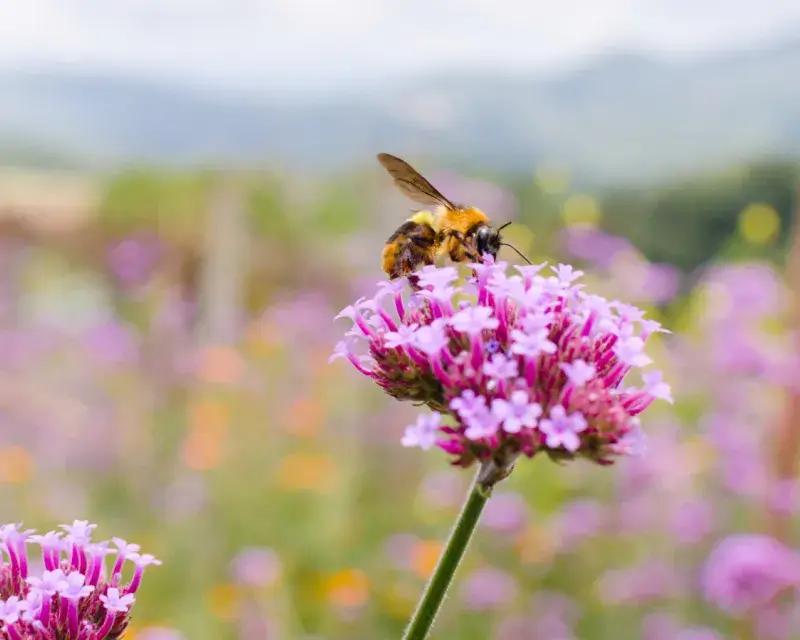
In 2014, the European Food Safety Authority (EFSA) published a negative opinion on Dow agroscience’s new Sulfoxaflor insecticide. The pesticide was qualified as ‘highly toxic to bees’ by the Authority...