Blog
March 23, 2026
The arrival of spring comes this year alongside troubling news from the European Commission. Their recent legislative rollback risks allowing even more pesticides into our fields and food. With a new ...
March 10, 2026
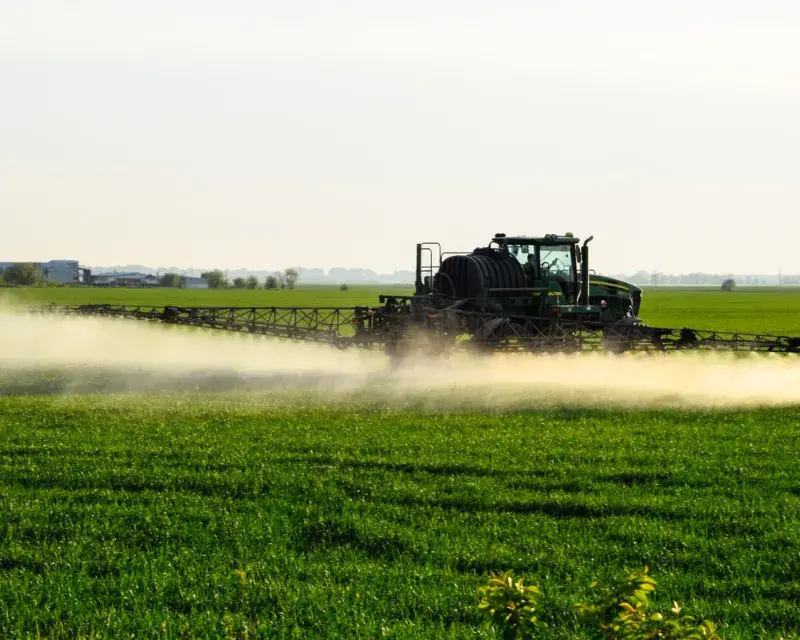
This month's EU pesticide meeting presents a mixed picture. We finally see some long-overdue ban proposals on substances harmful to humans and wildlife under consideration. However, political deadlock...
March 9, 2026
The insecticide Flupyradifurone proves to be much more harmful for bees than previously thought. It also potentially poses a risk to a child’s developing brain. Like all neonicotinoids, it can pa...
February 23, 2026
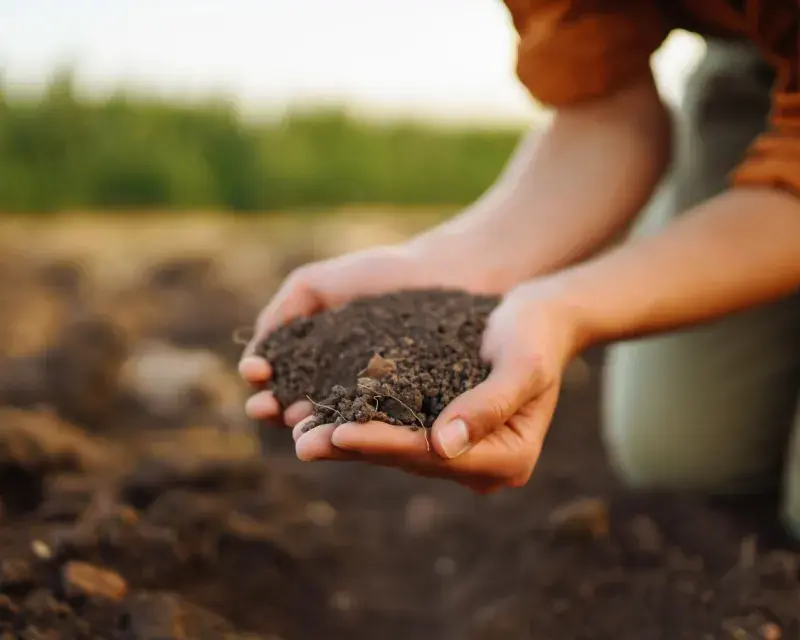
Soil covers this month’s front page of the science journal Nature, headlining with: “Down to Earth - How pesticides reshape soil biodiversity”. The cover refers to the recently published extensive res...
February 17, 2026
The European institutions finally reached a long-awaited political agreement to update EU rules on water pollution. The agreed text, however, weakens existing key environmental protection measures and...

January 14, 2026
It is with great sadness that we announce the loss of a dear friend and ally. Arnaud Apoteker, a rigorous scientist and tireless anti-GMO and pesticide activist, passed away last Friday, 9th January. ...

January 12, 2026
As Denmark’s EU Council Presidency ends, Cyprus took over in January 2026 at a crucial time for health, environment and food production. Scientists, PAN Europe, the Laona Foundation and Friends of the...
December 5, 2025
Today is World Soil Day. That is important, given the fact that soils have been, for a long time, largely overlooked. The official World Water Day has been celebrated since 1993. The first official Wo...
December 1, 2025
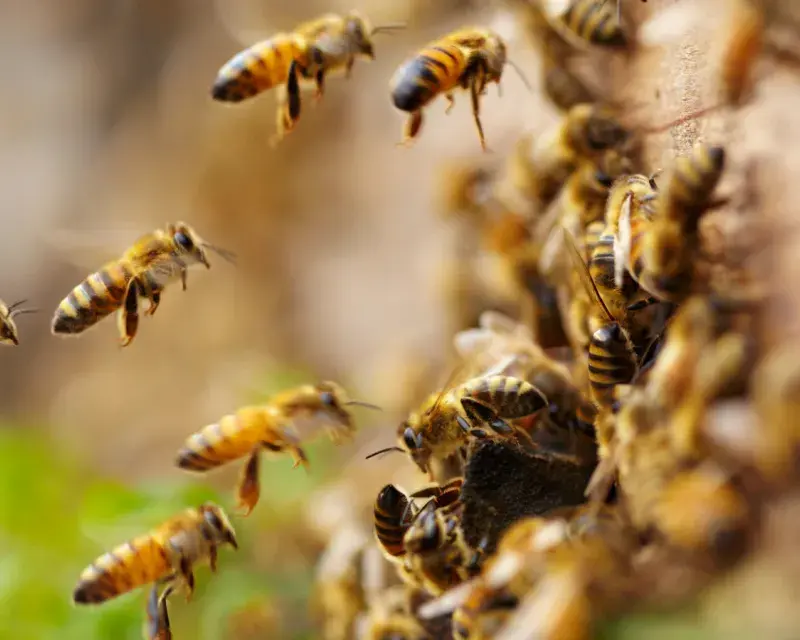
A new study from the German Helmholtz Centre for Environmental Research (UFZ) uncovers something troubling: even very small amounts of commonly used pesticides can significantly change how bees and fi...
October 29, 2025
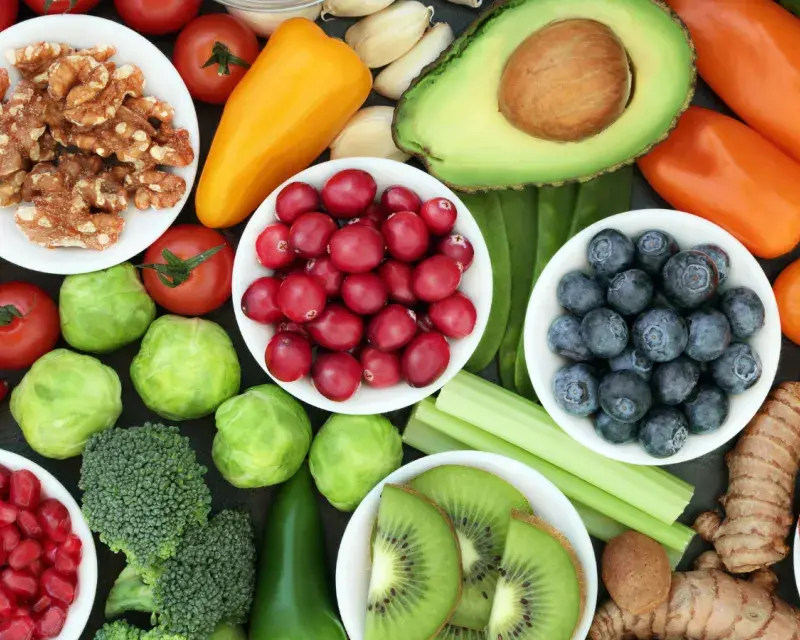
If Europe is serious about tackling cardiovascular disease and other chronic illnesses such as Parkinson’s, it must look at what’s on our plates. What we eat — and how our food is grown — plays a key ...